The Science Behind Hyaluronic Acid and Its Benefits for Your Skin
What Is Hyaluronic Acid?
Hyaluronic acid (HA) is a naturally occurring molecule in the human body that plays a key role in maintaining tissue hydration and elasticity. It is abundant in connective tissues, including the skin, where it supports moisture retention and structural integrity.
As a glycosaminoglycan, it forms a gel-like substance capable of holding up to 1,000 times its weight in water. This moisturizing effect is essential for keeping skin plump, flexible, and youthful-looking. The body’s natural HA declines over time, leading to dryer and less elastic skin, which is why topical supplementation has gained popularity in beauty and skincare.
Molecular Structure and How Hyaluronic Acid Works
Hyaluronic acid is a long-chain polysaccharide made up of repeating disaccharide units of glucuronic acid and N-acetylglucosamine. This linear polymer creates a highly viscous matrix capable of binding significant amounts of water.
This molecular structure allows HA to function as a natural humectant, attracting and holding moisture in the extracellular matrix. When applied topically or injected, it enhances hydration by forming a water reservoir that improves skin volume and turgor. The viscous gel also supports collagen by creating an environment that stimulates fibroblast activity, essential for skin repair and firmness.
HA’s high biocompatibility, due to its natural occurrence, means it rarely causes immune reactions, making it ideal for dermatological applications such as dermal fillers and wound healing.
Benefits of Hyaluronic Acid for Skin Health
Hyaluronic acid offers multiple benefits that address hydration, aging, and skin repair, making it a cornerstone ingredient in modern skincare.
- Intense Skin Hydration: HA’s ability to retain water keeps skin deeply moisturized and prevents dryness and flaking.
- Anti-Aging Properties: By maintaining moisture levels, HA reduces the appearance of fine lines and wrinkles, promoting a plumper, more youthful complexion.
- Collagen Production Support: Hydrated skin environments promote fibroblast function, enhancing natural collagen synthesis, key to skin elasticity and structure.
- Skin Repair and Protection: HA accelerates tissue regeneration and forms a protective barrier that can aid in healing minor injuries or irritation.
These effects collectively improve skin texture, brightness, and resilience, addressing concerns associated with aging and environmental stress.
Different Forms of Hyaluronic Acid in Skincare
Hyaluronic acid exists in various molecular weights, influencing its behavior and absorption in skincare formulations.
High Molecular Weight HA has larger molecules that sit on the skin surface, forming a hydrating film that reduces water loss but with limited deeper penetration.
Low Molecular Weight HA consists of smaller molecules that penetrate deeper into the epidermis, enhancing internal hydration and stimulating biological functions like collagen production more effectively.
Manufacturers often combine different HA forms to deliver multi-layer hydration: the surface hydration from larger molecules and deeper moisture and skin renewal from smaller fragments. Understanding these distinctions helps consumers choose products tailored to specific skin needs.
Hyaluronic Acid in Dermatology and Cosmetics
Hyaluronic acid is widely used both topically in skincare products and clinically in dermatology.
Topical Skincare Formulations harness HA’s moisturizing effect in serums, creams, and lotions, often combined with other actives to enhance skin barrier function and hydration.
Dermal Fillers use cross-linked HA injections to restore lost volume, smooth wrinkles, and contour facial features. These fillers mimic the natural HA in the dermis but are chemically modified to last longer before gradual absorption.
The dual use in cosmetics and medical aesthetics underscores HA’s versatility and proven safety, as its biocompatibility minimizes adverse reactions.
Safety and Side Effects to Consider
Hyaluronic acid is generally safe and well tolerated by most skin types due to its natural presence in the body. Adverse effects are rare but can include mild irritation or redness if combined with aggressive ingredients or in hypersensitive skin.
In injectable forms, side effects may include swelling, bruising, or infection, but these are usually temporary and minimized by professional administration. People with allergies to other dermal filler components should inform their practitioner.
Overall, HA’s excellent biocompatibility makes it suitable for sensitive, acne-prone, and aging skin alike, but patch tests and consultation are advisable when trying new products or treatments.
How to Choose and Use Hyaluronic Acid Products Effectively
To maximize hyaluronic acid’s benefits, select products with a combination of molecular weights and complementary hydrating ingredients like glycerin or ceramides.
Apply HA products on damp skin to enhance absorption and seal moisture effectively. Layering HA serum followed by moisturizer can further lock in hydration.
Consistency is key: daily use can improve skin texture, elasticity, and radiance over weeks. However, avoid over-application, which may cause tackiness or interfere with other actives.
For dermal fillers, seek licensed dermatologists or plastic surgeons for safe, effective results customized to your skin’s needs.
Frequently Asked Questions
What is the difference between low and high molecular weight hyaluronic acid?
High molecular weight HA remains on the skin surface providing hydration and barrier protection, while low molecular weight HA penetrates deeper to boost internal skin hydration and stimulate collagen.
Can hyaluronic acid cause allergic reactions?
Hyaluronic acid is highly biocompatible with a very low risk of allergic reactions; irritation is usually due to other ingredients or product formulation rather than HA itself.
How often should I apply hyaluronic acid products?
HA products are typically safe for daily morning and evening use; applying on slightly damp skin enhances effectiveness.
Does hyaluronic acid help with acne-prone skin?
HA hydrates acne-prone skin without clogging pores and can support skin barrier repair, making it beneficial alongside acne treatments.
Can hyaluronic acid replace moisturizers?
While HA hydrates by attracting moisture, it does not replace moisturizers that seal and lock hydration, so it’s best used in combination.
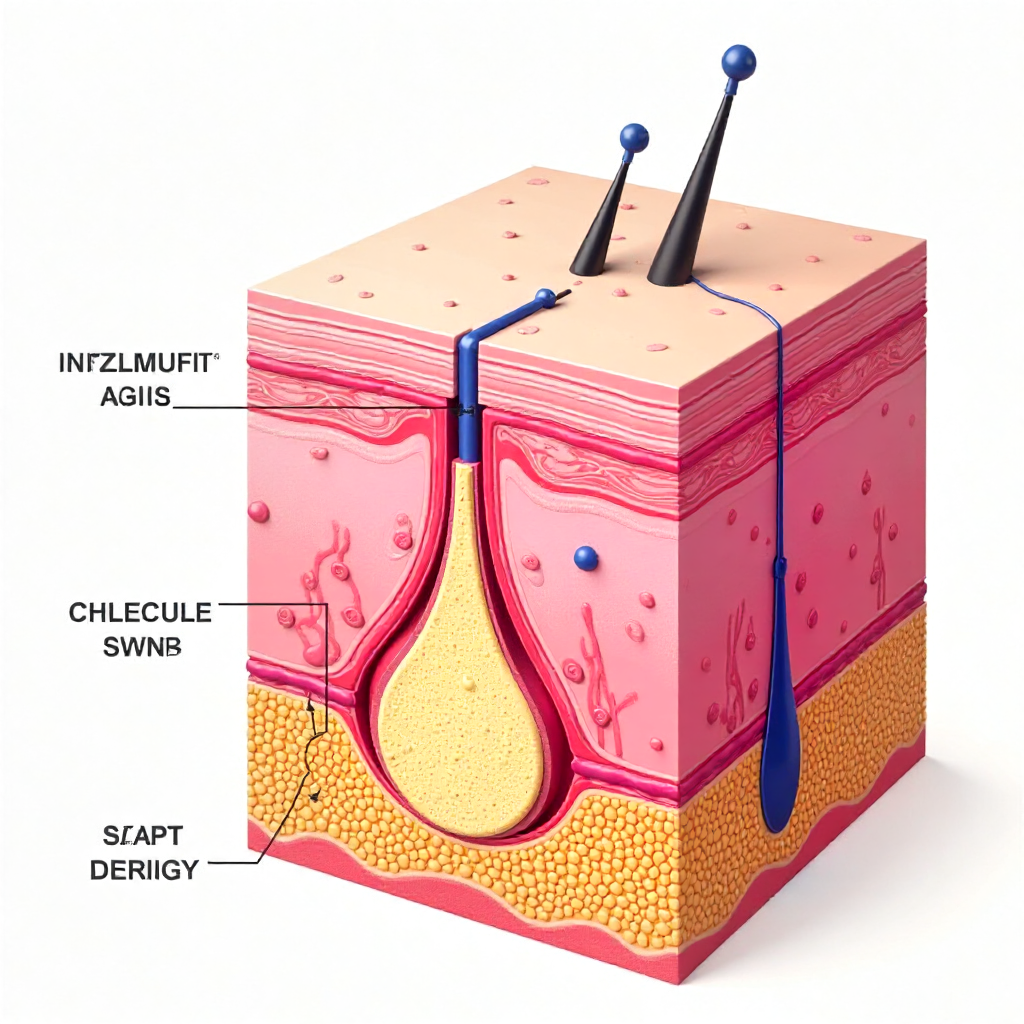
Understanding the science behind hyaluronic acid helps unlock its full potential in skincare. Integrating well-formulated HA products tailored to your skin type can deliver lasting hydration and youthful resiliency, grounded firmly in biology and clinical practice.
For more scientific details on hyaluronic acid, the Wikipedia page on Hyaluronic Acid offers an extensive overview.